A global movement for ethical leadership — and the ecosystem to make it real
In a world where trust is eroding and leadership is increasingly disconnected from lived experience, Humanity1st reconnects decision-making with dignity, truth, and responsibility — restoring empathy and courage to how we lead and act.
1. Why Humanity1st Exists
1.1 The Challenge
The world is facing growing challenges that no single organisation, government or community can solve alone.
Across many countries we see common patterns:
Trust in leaders and institutions is declining.
Decisions often focus on short-term interests rather than long-term wellbeing.
Too many people, especially young people and local communities, have little influence over decisions that affect their lives.
Technology, finance and political power are changing faster than our ability to use them responsibly.
These challenges are creating greater division, inequality and uncertainty. Humanity1st believes we need a different way of leading and making decisions—one that puts people, ethics and long-term responsibility first.
1.2 Our Vision
Humanity1st exists to help build a world where leadership and decision-making are guided by shared human values.
We work towards a future where people, organisations and institutions place human dignity, justice, truth and responsibility at the centre of the decisions they make. Our goal is to help create practical ways for these values to guide action—not just inspire words.

2. What Humanity1st Is
2.1 What is Humanity1st?
Humanity1st is a global movement that helps people and organisations work together to address complex challenges through shared values and practical action. Rather than being another NGO, think tank or conference, Humanity1st provides a practical methodology that brings together communities, young people, universities, civil society, business, philanthropy and governments to work on challenges they cannot solve alone.
Its purpose is simple:
Transforming dialogue into action and values into practice.
2.2 Creating a Humanity1st Compass
Every Humanity1st initiative follows the same methodology, but every Humanity1st Compass is unique to the people and the context in which it is created. Humanity1st brings together people from similar or different backgrounds, sometimes around a shared challenge and sometimes simply to better understand one another.
Through dialogue and reflection, participants discover the values they have in common and those that matter most within their own community, organisation or team. This process helps build trust, strengthen relationships and create a shared foundation for working together.
Participants then develop their own Humanity1st Compass—a practical guide that supports decision-making, collaboration and action. Rather than being imposed from above, each Compass reflects the people who create it and the context in which it will be used. The learning from every Humanity1st Compass is shared across the wider Humanity1st community, helping strengthen the methodology and inspire future initiatives.
2.3 What Makes Humanity1st Different?
Many organisations are already working to address challenges such as climate change, inequality, education, health and conflict. Humanity1st does not replace their work or compete with it. Instead, Humanity1st provides a shared process that helps people and organisations work together more effectively around these challenges.
What makes Humanity1st different is that it:
Starts with people
Solutions begin by listening to the experiences, needs and aspirations of the people most affected.
Brings different sectors together
Communities, universities, civil society, business, philanthropy and governments each have different strengths. Humanity1st creates opportunities for them to learn from one another and work together.
Combines values with evidence
Good decisions are informed by ethical principles, research, local knowledge and lived experience.
Provides a practical methodology
Rather than delivering a single programme, Humanity1st offers a repeatable process that can be adapted to different countries, communities and challenges.
Learns and improves continuously
Every initiative generates knowledge that helps strengthen future work and supports continuous learning across the Humanity1st network.
3. How Humanity1st Works
3.1 The Humanity1st Methodology
Humanity1st follows a continuous learning process that helps people understand complex challenges, develop practical responses and continuously learn from experience. The approach can be adapted to different countries, communities and contexts.
I. Learn and Discover
Every initiative begins by building a shared understanding of the challenge. We bring together different perspectives, lived experiences and evidence to identify what matters most, understand root causes and recognise opportunities for change.
II. Develop and Act
Based on this shared understanding, people work together to develop practical responses. Rather than applying predefined solutions, each initiative is shaped collaboratively to reflect local priorities, available resources and the strengths of the people involved.
III. Reflect and Improve
Learning does not end when an initiative is completed. We capture insights, reflect on what worked, what could be improved and why. These lessons strengthen future decisions, improve the methodology over time and can be adapted by other communities facing similar challenges.
4. Areas Where It Can Contribute
4.1 Where We Work
The Humanity1st methodology can be applied to many different social, environmental and global challenges. While each challenge is different, the same principles and methodology help people work together, make better decisions and turn ideas into practical action.
Current areas of work include:
Access
to Truth
Promoting honesty and accountability in leadership by tackling misinformation, defending free expression, promoting ethical media, and upholding universal human rights.
Refugee Justice
& Inclusion
Promote refugee rights, equitable inclusion, and long term solutions to displacement.
Equity & Global
Economic Justice
Transforming systems of wealth and opportunity to ensure fair access, transparency, and shared prosperity for all.
Conflict Resolution
& Reconciliation
Supporting communities to heal, rebuild trust, and lead peace processes grounded in dialogue, empathy, and ethical leadership.
The Digital Age: AI Ethics
& Societal Impact
Maintaining our humanity in the digital age and ensuring emerging technologies, especially AI, are governed responsibly serving humanity with fairness, privacy, and accountability.
Environmental Justice
& Climate Action
Driving climate solutions that protect both people and planet, centring justice for communities most affected by environmental harm.
Community Empowerment
& Sustainability
Building resilient communities through local leadership, shared ownership, and sustainable practices that protect people, culture, and the planet for future generations.
Health, Mental Health
& Well-being
Advancing equitable access to healthcare and mental well-being, recognising health as a foundation of dignity and leadership.
5. Our work
5.1 Turning ideas into practical action
Humanity1st is more than a framework or a set of ideas. It is a practical methodology applied through partnerships, pilot initiatives and collaborative projects in different communities, organisations and sectors.
While every Humanity1st initiative is unique, they all follow the same underlying process. Humanity1st helps people discover the values they already share and use them to guide collective action.
Across all our initiatives, the process follows six simple steps:
1. Bring people together
around a shared challenge or context.
2. Discover shared values
through dialogue, reflection and lived experience.
3. Create a shared Humanity1st Compass
based on the values identified by the group.
4. Use the Compass
to guide decisions, relationships, dilemmas and practical action.
5. Learn and improve
by capturing experience and continuously refining both the Compass and the methodology.
6. Share the learning
across the Humanity1st community so others can adapt and build on it.
This process of discovering our common humanity before trying to solve problems is at the heart of Humanity1st.
The examples below show how this methodology comes to life in different contexts.
One-to-One Children's Fund
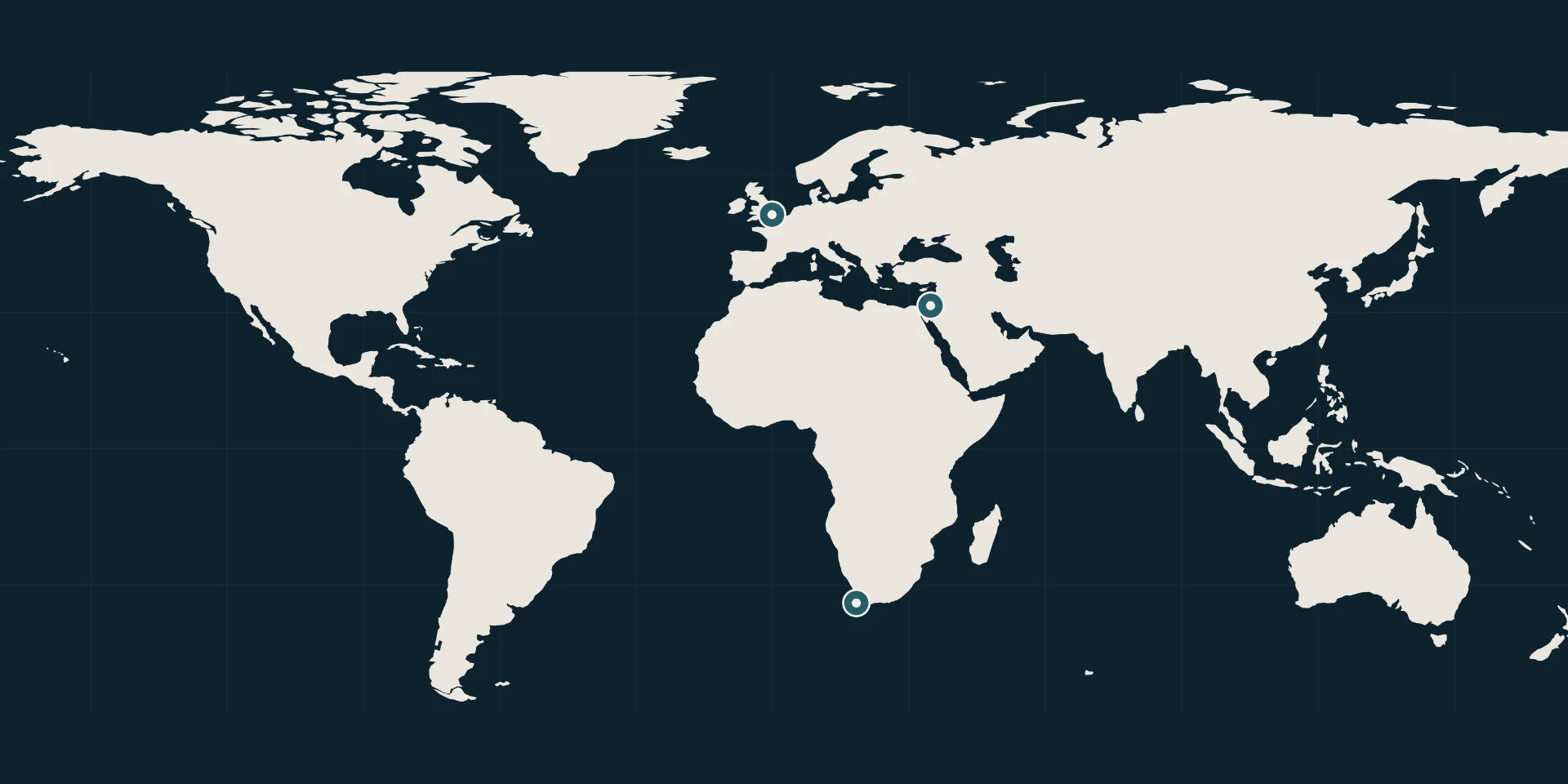
In South Africa, One to One Africa has developed its own Humanity1st "Ubuntu Compass", which mentor mothers and community health workers use to guide decision-making in their daily work. The Compass supports ethical decisions at every level—from personal choices to relationships with communities, colleagues, donors and government partners.
Masi Sports (South Africa)
In South Africa, One to One Africa has developed its own Humanity1st "Ubuntu Compass", which mentor mothers and community health workers use to guide decision-making in their daily work. The Compass supports ethical decisions at every level—from personal choices to relationships with communities, colleagues, donors and government partners.
Kaleidoscope –
Intergenerational Dialogue (Global)
Humanity1st partnered with Kaleidoscope to bring together people from four generations and different countries to co-create a shared Ethical Leadership Compass. Through storytelling, dialogue and real-life dilemmas, participants identified the values that matter most when making difficult decisions and explored how these can guide leadership across generations and cultures.
6. Work With Us
6.1 Why Work With Humanity1st?
The challenges facing our world are too complex for any one organisation, sector or country to solve alone.
Humanity1st brings together people from different backgrounds, sectors and communities to work on shared challenges through a common set of values and a practical methodology. Working with Humanity1st means becoming part of a global community committed to ethical leadership, collaboration and continuous learning. It is an opportunity to share knowledge, develop partnerships, test new ideas and contribute to practical solutions that can create lasting change. We believe collaboration does not require everyone to think the same. It requires people who are willing to listen, learn from one another and work together towards a common purpose.
Every initiative begins by building a shared understanding of the challenge. We bring together different perspectives, lived experiences and evidence to identify what matters most, understand root causes and recognise opportunities for change.
6.2 Who Can Be Part of Humanity1st?
Humanity1st is open to anyone who wants to contribute to building a more ethical, inclusive and sustainable future.
Our community includes:
Communities and grassroots organisations
Young people and emerging leaders
Civil society organisations and NGOs
Universities and researchers
Businesses and social enterprises
Governments and public institutions
Philanthropic organisations and foundations
Individuals who want to make a difference
Everyone brings different knowledge, experience and perspectives. Together, these different voices help create stronger ideas, better decisions and more effective action.
Whatever your background, there is a place for you within Humanity1st.
6.3 How Can You Get Involved?
There are many ways to participate in Humanity1st.
You can:
Become a partner
by developing projects and initiatives together.
Join an existing initiative
and contribute your skills, experience or resources.
Share knowledge
through research, case studies and practical learning.
Take part in events
that bring together people from different sectors and countries.
Support the work
through funding, expertise or volunteering.
Start a new collaboration
by bringing people together around a shared challenge.
Every contribution helps strengthen the Humanity1st community and expand the collective impact of our work.
If your interested in being part of the movement, please send us a message below: